
Voices of Sierra – An Enduring Family Legacy
- 0 Comments

To say that Sierra On-Line has a legendary reputation in the gaming industry would be a massive understatement. The DNA of the classics created during the company’s heyday can be felt across the landscape of new adventures being developed even today, and that level of staying power nearly fifty years after its founding is an astonishing feat. But the ongoing adoration of fans for those who made Sierra so special goes beyond professional appreciation to something that feels personal. What is it exactly that continues to resonate with gamers about the many artists, writers, designers, programmers and musicians at Sierra that makes them so beloved decades after the fact? And what do the creators of such iconic series as Gabriel Knight or Leisure Suit Larry think about the lasting impact their work has had on fans who continue to cherish their games to this day?
For answers to these questions, I was fortunate to have the opportunity to go straight to the source. As a regular attendee of both the annual PAX West convention and the Portland Retro Gaming Expo, I was excited to find that many of the contributors to Sierra’s classics would be attending this year to coincide with the traveling museum displays from Roberta Vaughan’s Retro Adventures, including the unveiling of their new “Sierra Legends” exhibition made up of countless artifacts from the company's rich history.
Unfortunately Ken and Roberta Williams weren’t present, as they were busy sailing their boat through Arctic waters from Seattle to Halifax, but of those who were there, I gave myself the lofty goal to get as many perspectives from Sierra alumni as I could around a simple question:
“What does it mean to you to see the games you contributed to at Sierra still being loved and talked about today, by both old fans and new?”
These are their answers.
(The following quotes have been edited for clarity)
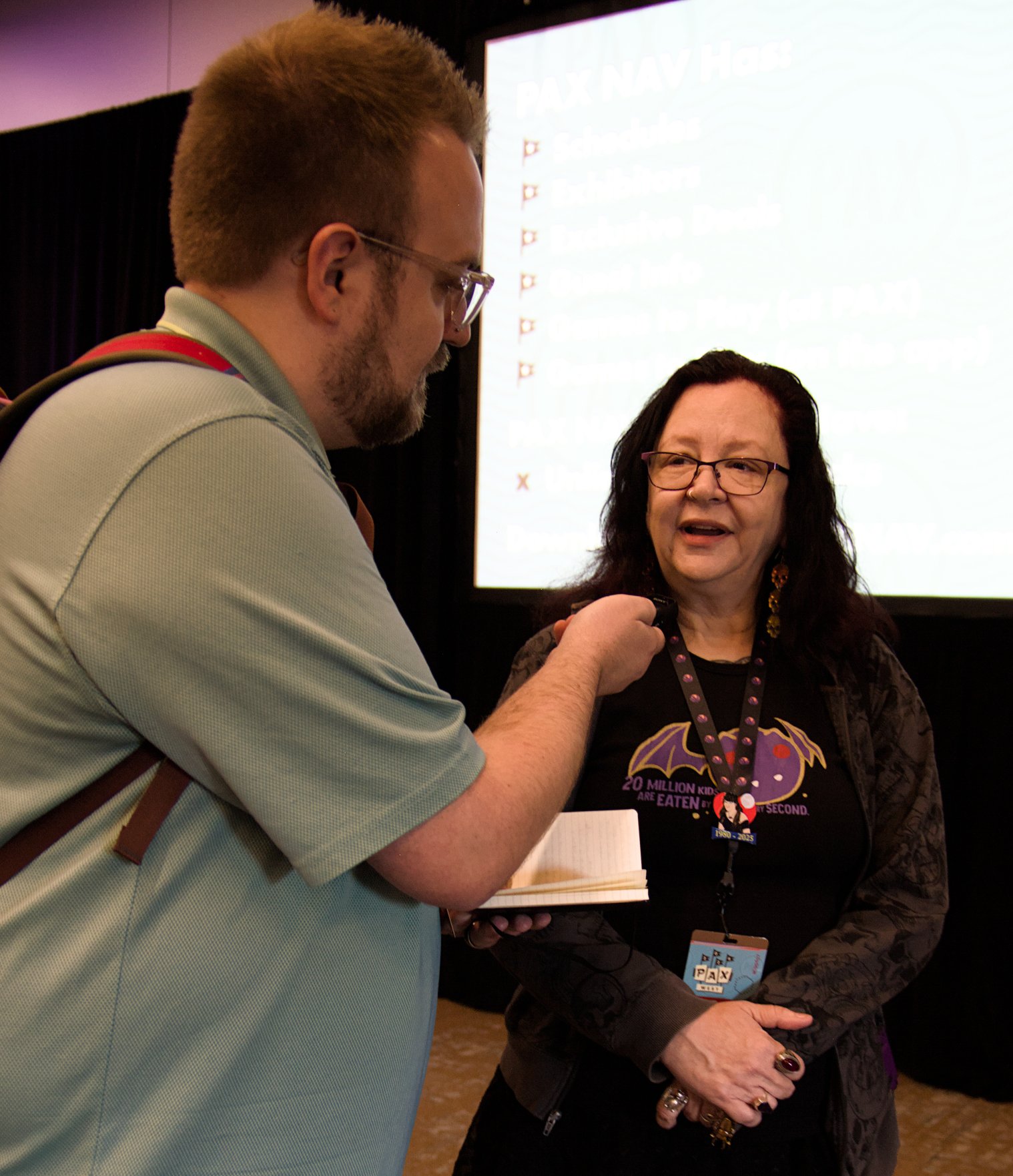
Lorelei Shannon
“Oh, it’s wonderful! It really warms my heart. It’s one of my favorite things in the whole world!”
Al Lowe
“One of the things that made Sierra different from other companies was that Ken Williams made a serious attempt to make the company feel family-oriented, to feel family-like. And it was a family, but he talked about it a lot as a family. And the magazine made a big difference in that. I think they were the first company to send out magazines to all the game players. And here were these inside stories and behind-the-scenes stuff, and it brought you into the group, you know? Like, ‘Hey, I’m part of the family!’”
Don Munsil
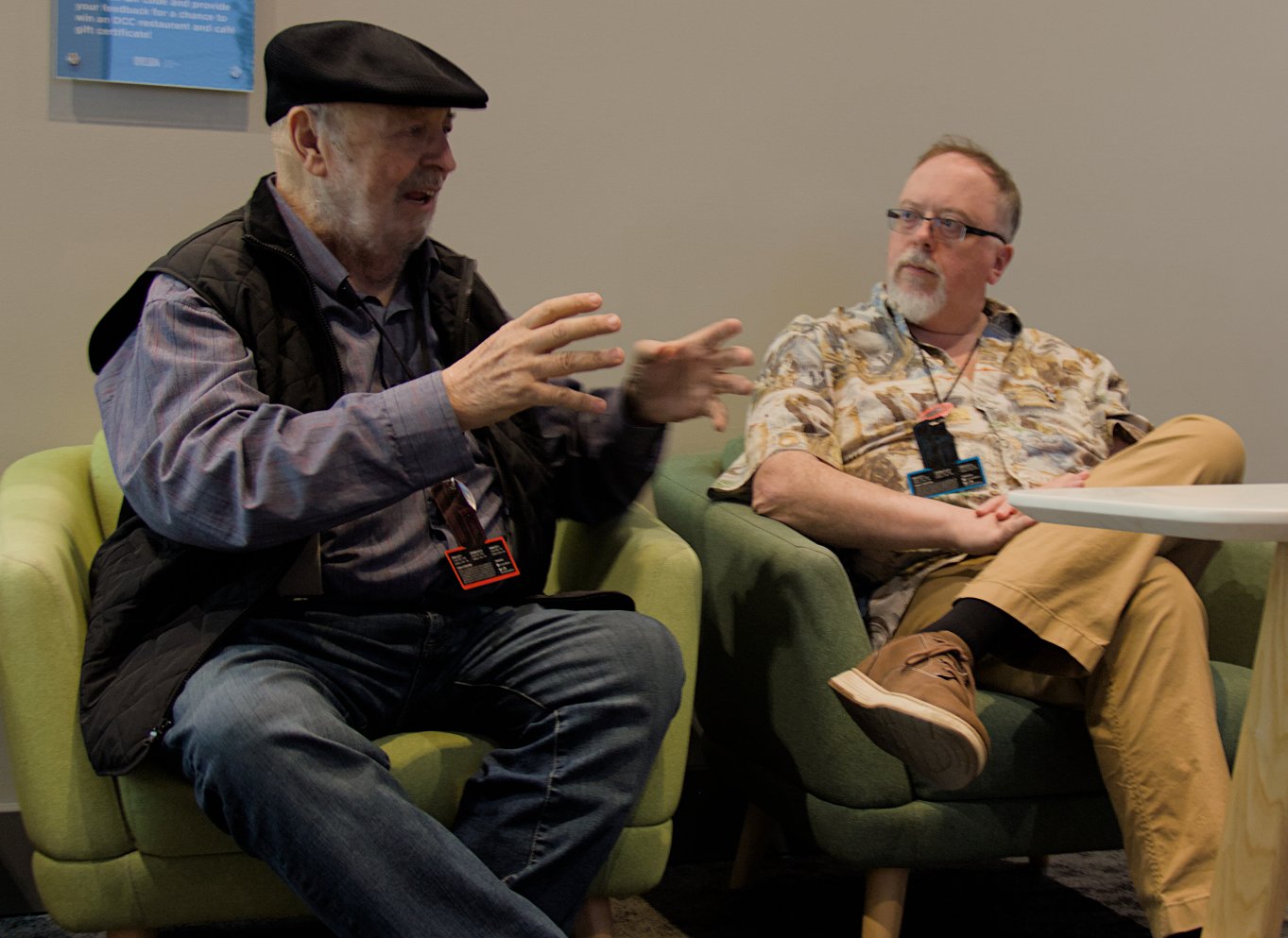
“I was a fan first, then I worked for Sierra. And I felt like the stuff from Sierra that I liked was a real attempt to do a new kind of storytelling. Storytelling where you’re part of it. Of course Infocom and Crowther and Woods’ Adventure had done sort of a text version of that. And I think Ken and Roberta really wanted to take that to the next level. They wanted to add animation and sound, and eventually they added voice, and they kept wanting to make it bigger and better. You know, tell interesting stories but you got to be in the story, you got to do the story. They were the first to really be trying to push the envelope and try to make something that felt like a full media experience – like a movie or something within the limitations of what a computer can do.”
Jane Jensen
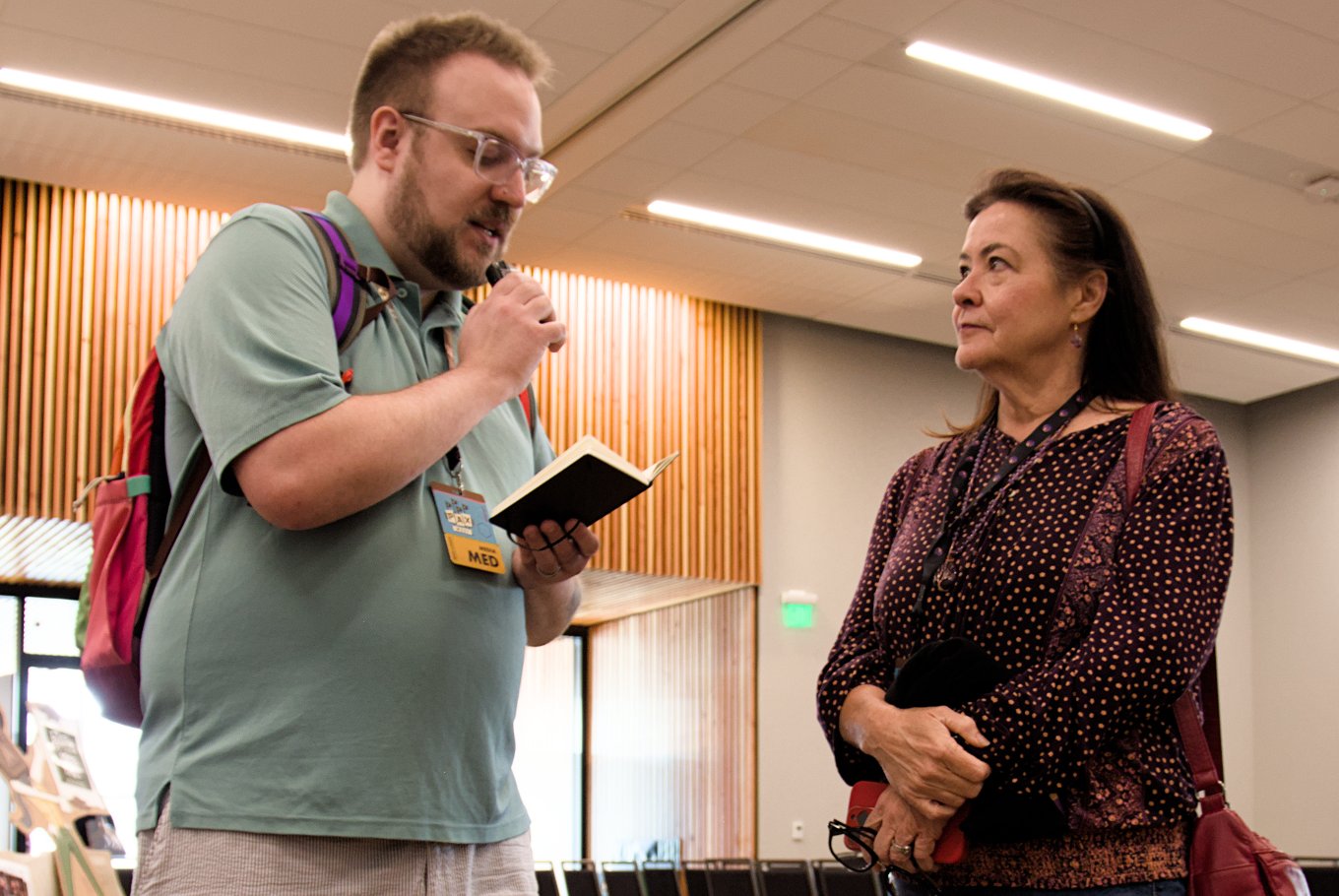
“It’s kind of overwhelming. That part of my life feels like it was a long time ago. It was kind of like another lifetime, and we’re just sort of living an ordinary American life. And when I interact with that old side of myself again, meeting people that remember the games and love the games, it’s really touching to think that I had that kind of influence at doing anything in my life. So it’s really amazing and I don’t know how to describe it – unreal, in a way? But really a beautiful thing.”
Robert Holmes
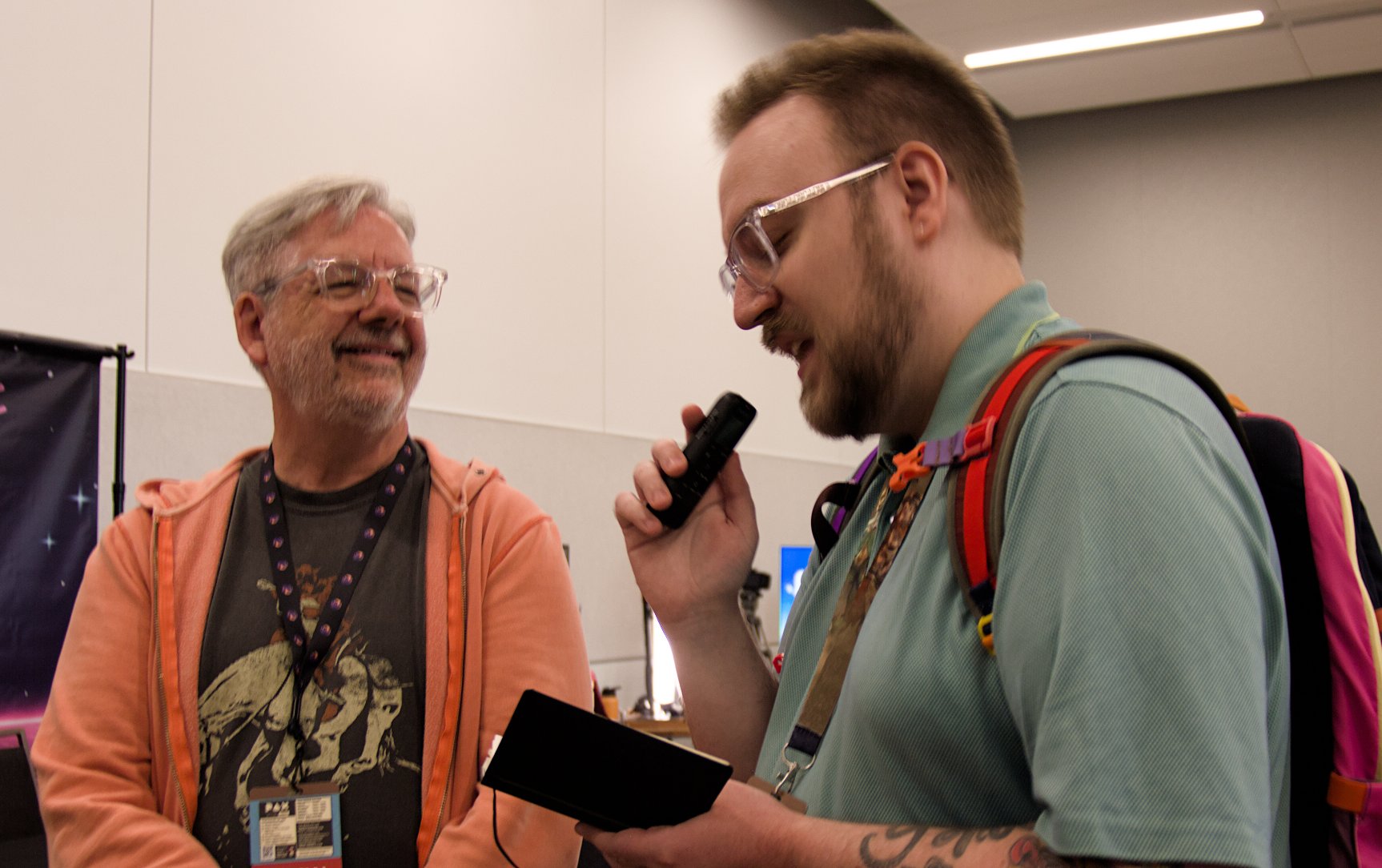
“It’s amazing because, like Jane I had a second career that really took my attention for almost thirty years. And so coming back to this, finding that this sort of small, passionate worldwide audience was still there was really a surprise. And as a creator it’s so fulfilling to know that I can still make music and there’s somebody out there that might enjoy it. So yeah, it’s a real honor and it really warms us to know that hopefully the games made some folks happy.”
Mark Seibert
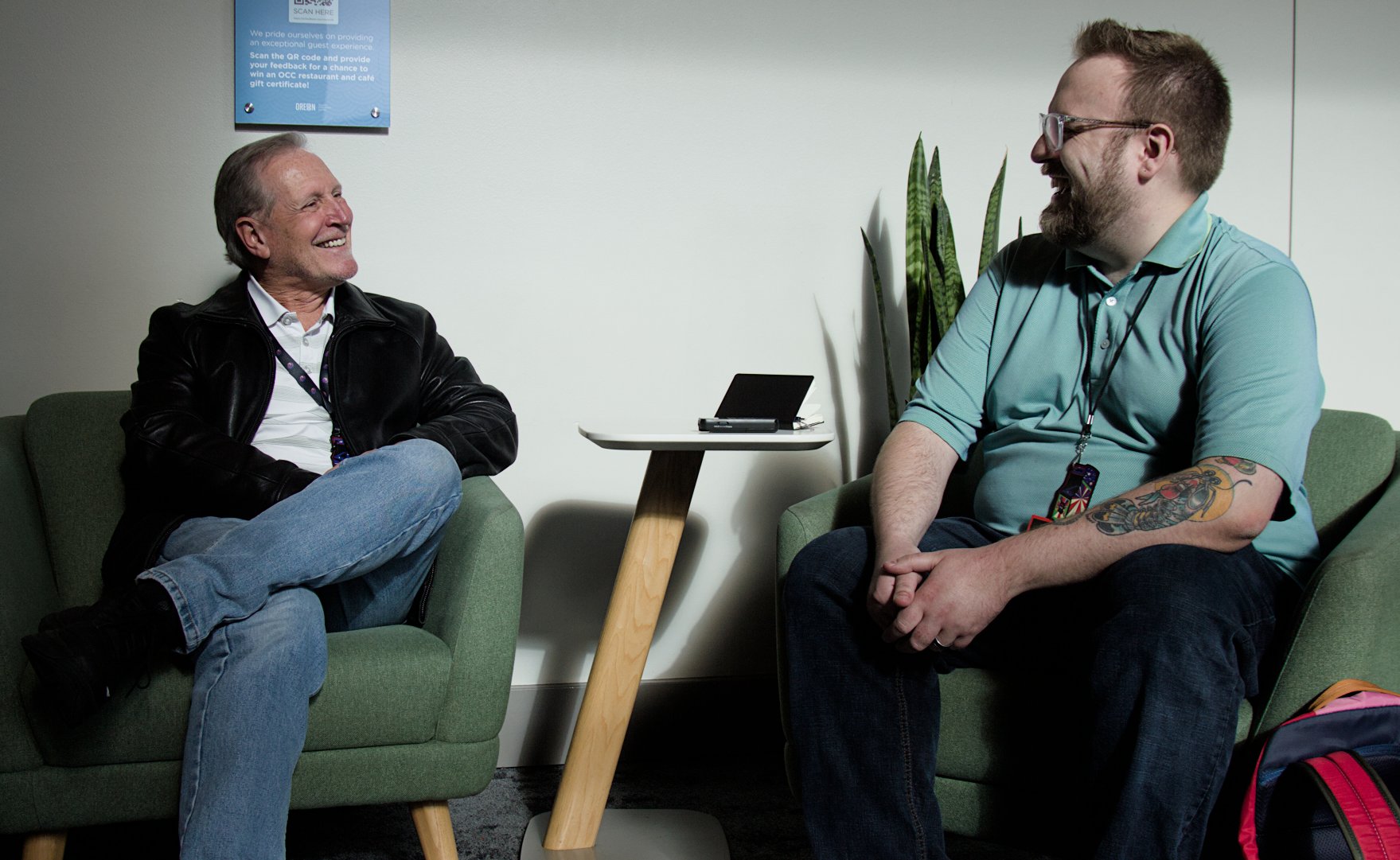
“It’s great to meet people who have played the games. I get e-mails from people pretty regularly and it’s fun to put down faces with names. And then seeing the next generation playing them. Debbie and I have grandkids now. We just started them on Mother Goose, and now they’re King’s Quest VII fans. They’re like 4 and a half, you know, 5 and 7, so just the right age to start getting into fun little games.”
Debbie Seibert
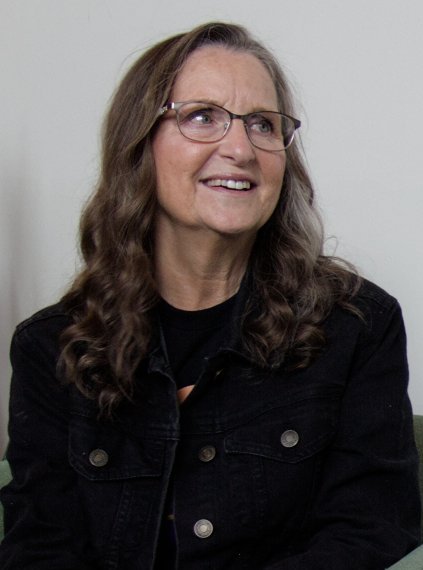
“It’s pretty incredible. When we came last year, I wasn’t really aware of how much people still enjoy these games and play them today, and how much they meant to them back in the day when they were being made. It’s very humbling. I’m trying to find the words. It’s an incredible thing because at the time Mark was just doing his job. It was a job, but it was also a passion because he loves to write music and Sierra gave him the chance to do a lot of the things he loves.
“It is remarkable, and to see the joy people have had over the years with the music that Mark has written and all the projects. Just getting to sing all those things was so much fun. I’ve enjoyed it all. I’m sad to say I was not a gamer back in that day, but since then I have enjoyed playing the games. I was so busy teaching, and raising small children that I didn’t have a whole lot of extra time. But seeing the joy that all that stuff brought, it is definitely remarkable and it gives you a sense of wonder at it all.”
Al Eufrasio
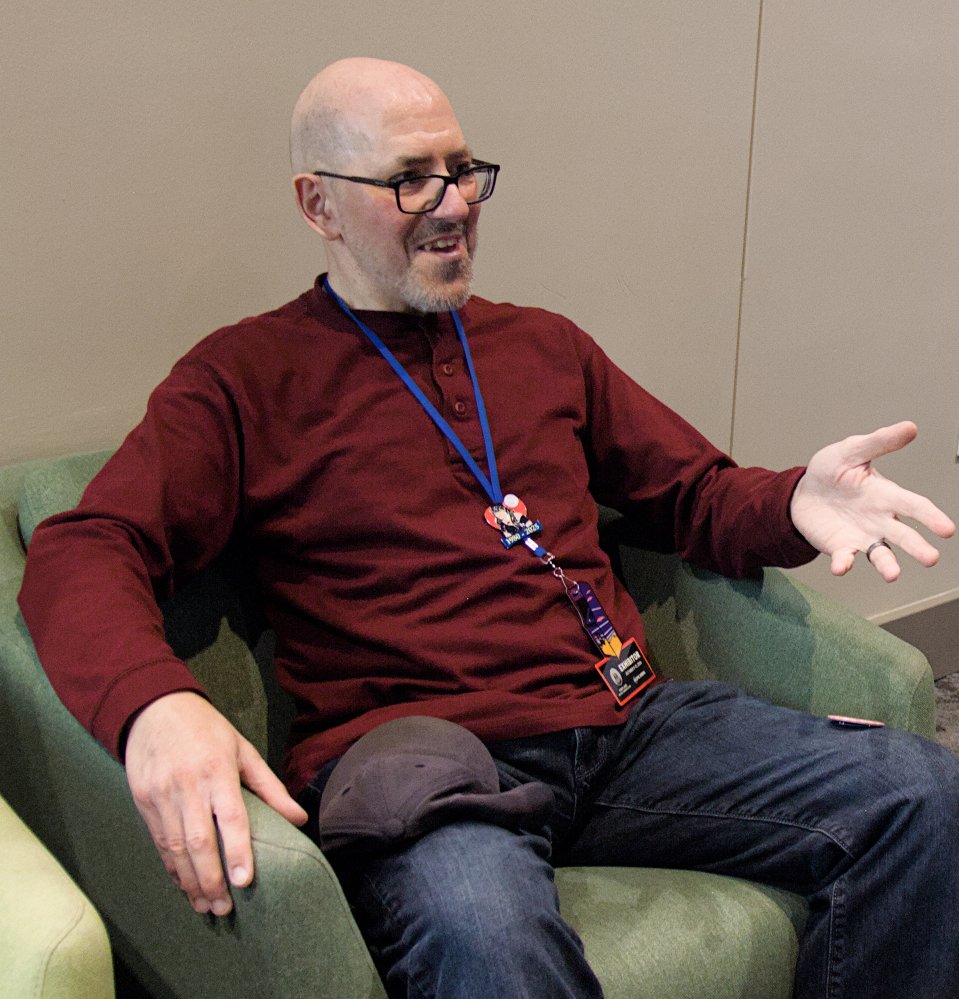
“You know, it’s funny because going into the company I wasn’t really a Sierra game player myself. But what I did notice shortly after I got hired was that they were actively creating community. And I respected the hell out of that, because it’s smart business first of all, but down the line 30 years later you can see what it has created. A dedicated community of fans who become more than just casual acquaintances. I can say I’ve made friends just interacting with the community, sparked several friendships – of course the incredible Roberta Vaughan very high up among them. So yeah, I’m happy to contribute to that fandom or support the fandom in any way I can.”
Josh Mandel
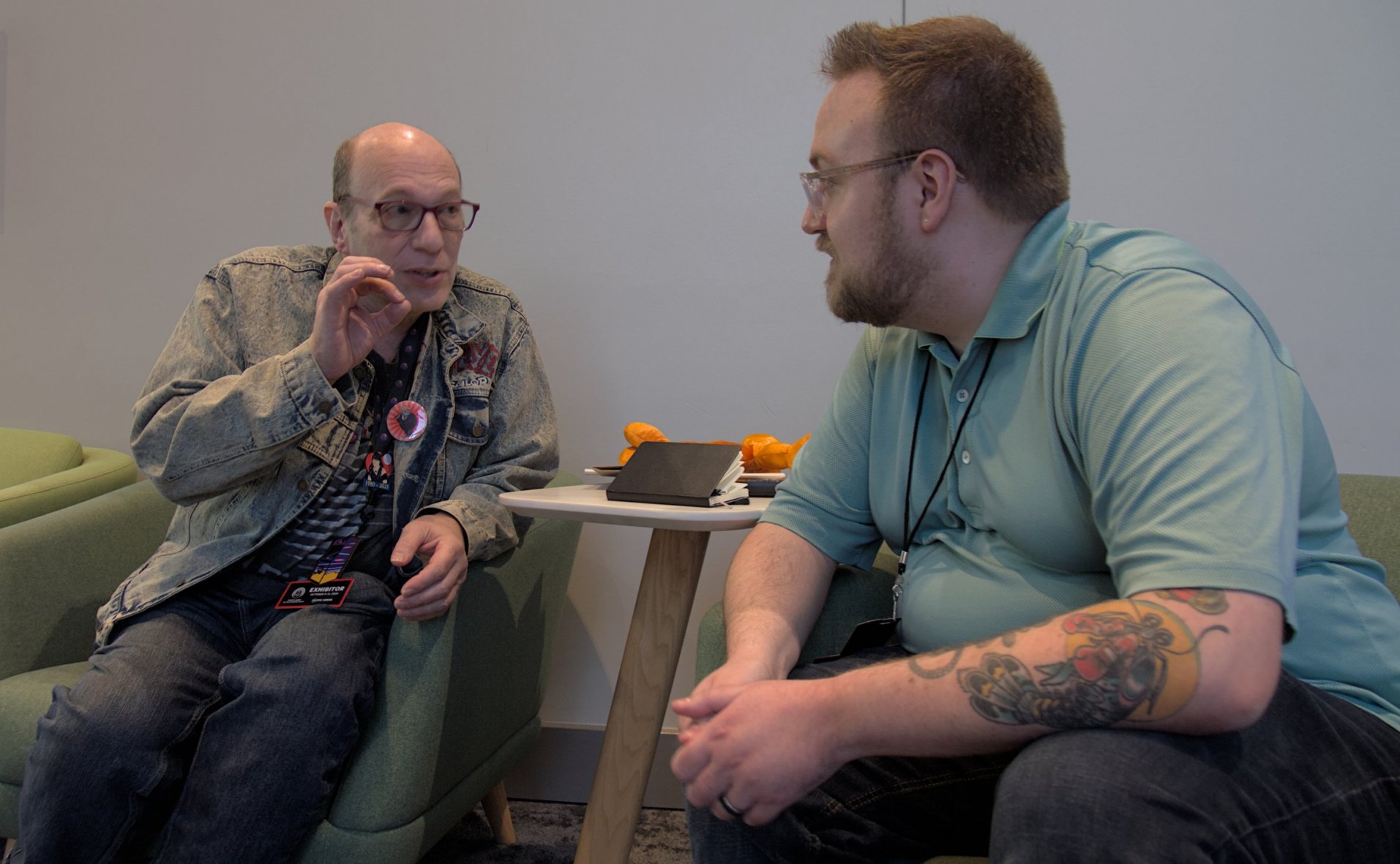
“Well, first of all, it’s wonderful, and only recently have I really appreciated the different reasons that people still care about these games. We had the people who played these games as kids, or their parents or grandparents played it or introduced it to them. There’s one podcaster I know, near and dear to my heart, and she wrote about how she and her father played Freddy Pharkas together in the last years of his life. He was ill, so it has a very special place to her. But everyone’s got stories like this. And so many people have stories about how they learned English by playing the parser games.
“And then new people – I’m a little surprised that they are able to get new players. People who are new to these programs, because they are so retro and they make so many mistakes that the rest of the industry has thankfully moved beyond (the dead man walking scenarios, the easy deaths, the lack of direction). I think it’s marvelous that they are able to play these games now despite their flaws and their obvious age, and find something to love about them.”
Gary Spinrad
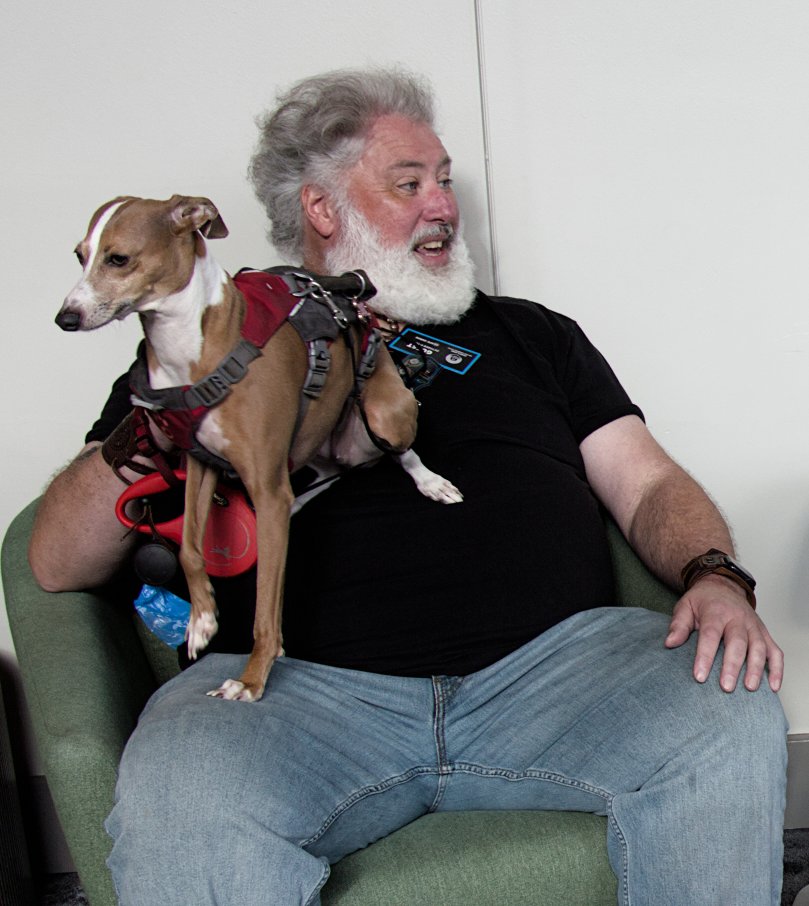
“Looking at it with the eyes I have today, the score I wrote for Phantasmagoria (2) wasn’t very good – academically. But as far as emotion and honesty, it’s probably the best I could’ve done. Because I was all in on that – you know, this kid from Booger, Oregon being up in Seattle working on video games. I was invested and doing everything for all the right reasons. People are still sending me fan mail to this day about it, which frankly surprises the hell out of me. I look at some of these backdrops in the museum and to you guys these are like great treasures, and I appreciate that you feel that way! But to us, that was the thing behind the reception counter. To us it was nothing more than a beer display for Saint Patrick’s Day, you know? Isn’t that wild?”
Mark Crowe
“I’ll just say it’s pretty surreal, for me personally – and for Scott (Murphy). We both talk about it all the time; it’s like I can’t believe that after all these years people still love these games that I guess they grew up with. I get that. You know something that you grew up with, it’s just ingrained in you and a part of your life. And when they express that appreciation, it’s always kind of mind-blowing.”
Ken Allen
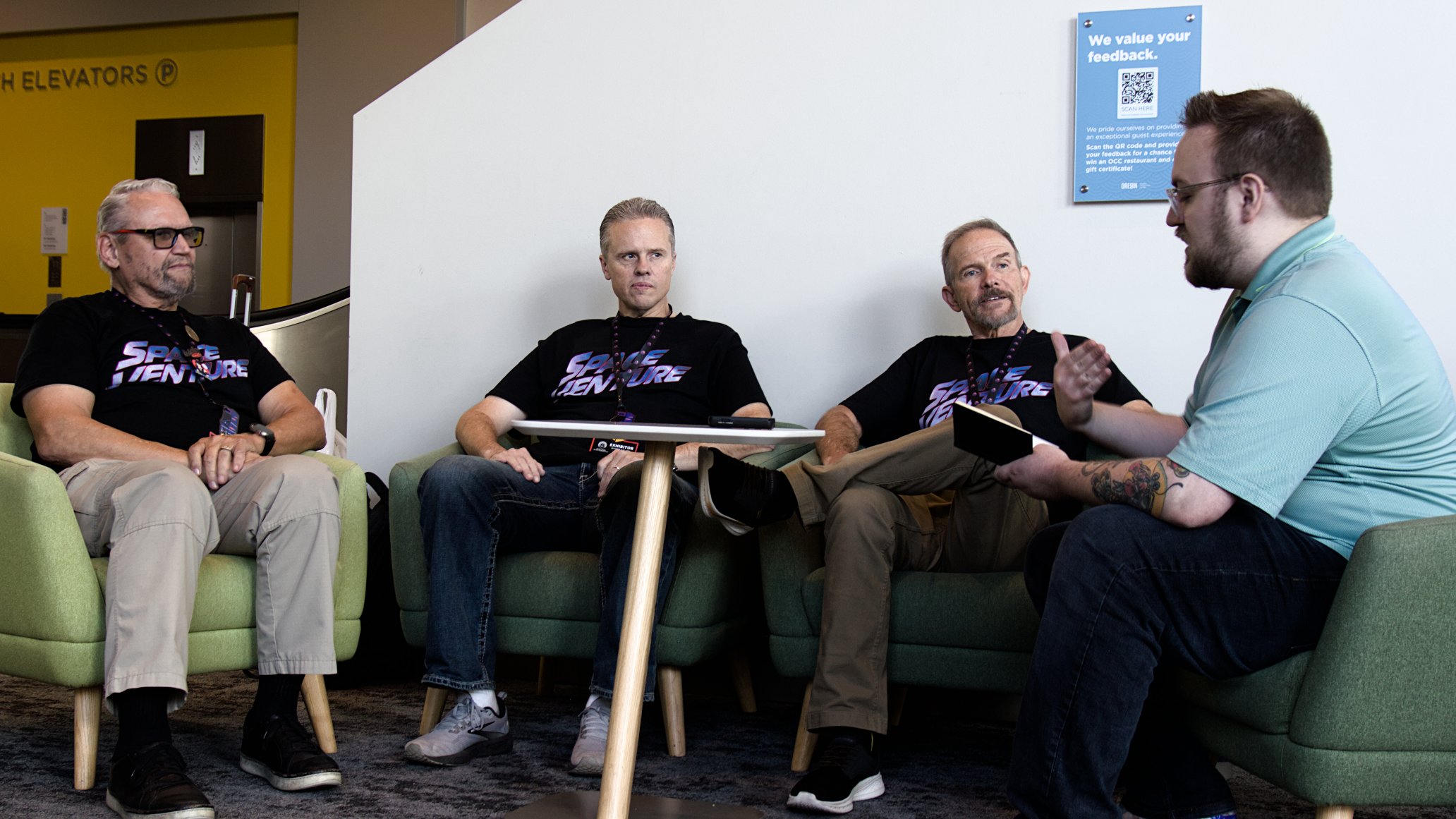
“We were pouring our hearts into it, and working long hours and everything, but the reality was, games only had a shelf life of 6 to 9 months. We felt like our games would never experience an afterlife. And then lo and behold, there’s people who want to appreciate these games that we worked on all this time ago? So we kind of owe a lot of that to the community leaders who took charge of all this and then the fans found a place to rally and to talk to each other and compare notes. And we really owe a lot of today’s fondness for our adventure games back then to people like Troels (Pleimert, the Space Quest Historian) and Roberta Vaughan and other people. And so I think they deserve just as much credit as those of us who worked on the games.”
Lori Cole
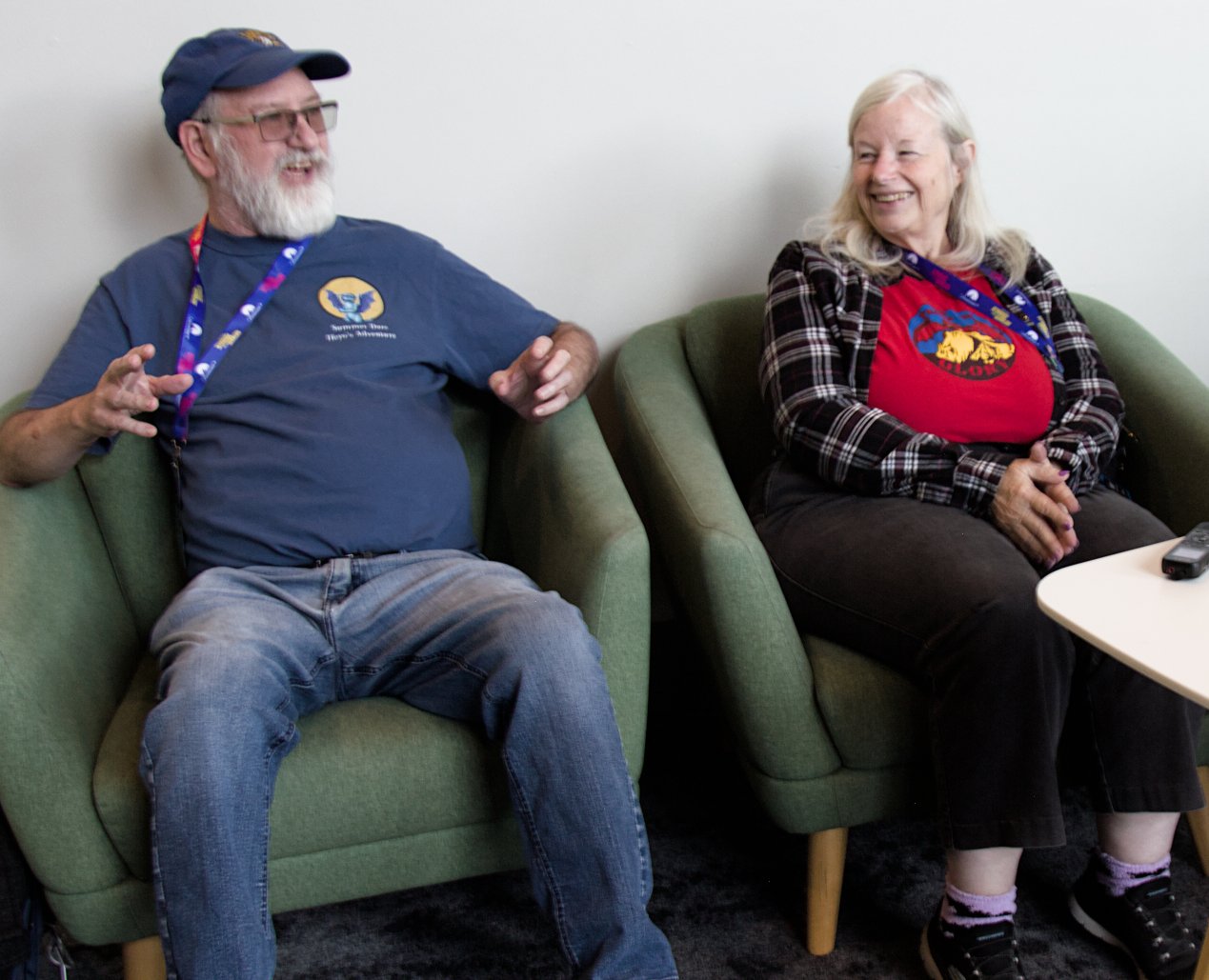
It’s amazing that here we are… uh, well, I’m wearing the “30 Years of Quest for Glory” t-shirt. And after 30 years, people are still trying to play the games, they’re doing speedruns of the game, they’re still excited about the whole series. And there’s nothing more rewarding than having fans come up to us and say, you know, “This game affected my life.” From the one that wrote us a letter and said they were now in Doctors Without Borders because they were so inspired. Or the people that were over in Eastern Europe who played pirated versions of our games, who – I mean, this was a beacon of hope – they got to feel like they really made a difference in their lives.”
Corey Cole
“Well, I’d like to say we planned for that all along. And in a sense we did. When we started out, it was going to be a four-game series. We had it all planned out, how it was going to go along. What we had no idea about when we started was that the technology was changing so rapidly that five years later the old games would be virtually unplayable. And that you would have to completely reinvent them every couple of years. And somehow we managed to come out with a series with five instead of four games. At the time it was considered heresy. Adventure gamers hated role-playing games. And they said, "You’re trying to do both in one game? Nobody’s going to buy that." And to keep hearing from players that replay them every year, I guess we did better than we thought we could!”
It’s been nearly thirty years since these amazing creative talents last worked on a Sierra title together, and the common theme among them was their surprise and delight to see the dedication and passion that still exists to this day around the adventures they made.
To those who grew up adoring Sierra, however, it’s no surprise at all. In talking with Sierra superfan Chris Pope (who had the opportunity of a lifetime to work with Mark Crowe and Scott Murphy on SpaceVenture), he said to me that “they did a great job of making you feel you were part of the Sierra family,” and that many were left with a “Sierra-sized hole in their heart” when the company was effectively shut down in 1999. Ever since, the community of fans have done an incredible job of filling that hole by keeping a tiny part of that quintessentially Sierra soul alive.
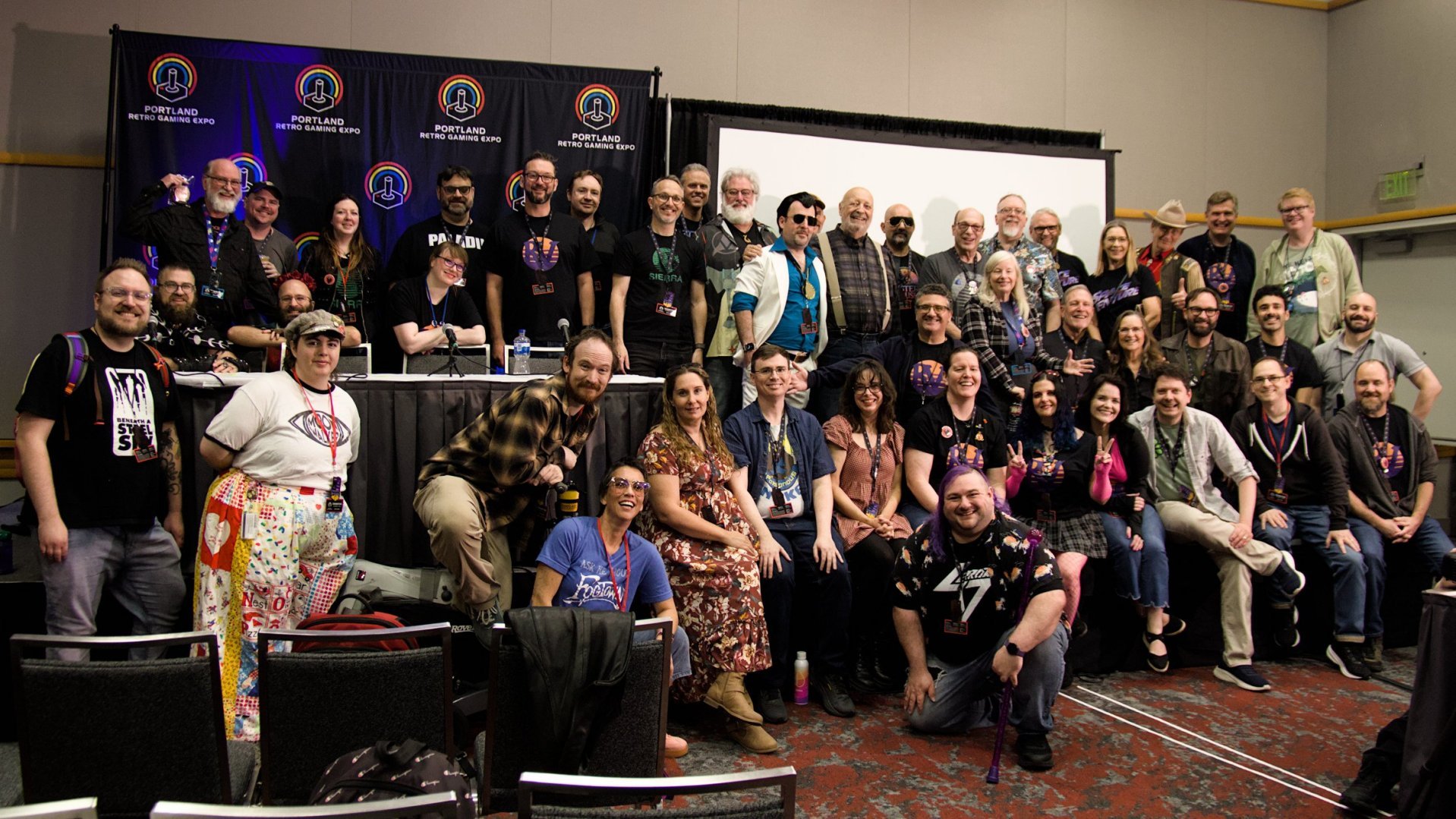
And now the torch is being passed to younger generations. After I had concluded my recorded interview with Debbie Seibert, she told me how her grandkids had recognized her voice in Mixed-Up Mother Goose and looked up at her to ask, “Grandma, is that you?” That sweet moment must have been something truly special. We can’t all have such a personal connection, of course, but as extended “family” there are surely many more stories among the lives of those they’ve touched throughout the years.
Sierra On-Line as a company may be long gone, but its spirit is still very much alive and well. Whether it’s through new fans discovering these games for the first time (I didn’t play my first Sierra adventure game until 2020 during the pandemic lockdown) or longtime community members continuing to revel in the nostalgia of that magical time, Sierra’s legacy will continue to be a force to be reckoned with for a long time to come.
Photographs by Mary Kathryn Amiotte-Beaulieu.
- Advertisement
- Help support AGH by advertising with us








0 Comments
Want to join the discussion? Leave a comment as guest, sign in or register in our forums.
Leave a comment